


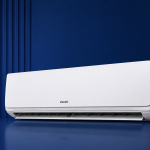
In this article, we are going to talk about tropical air conditioners and explain the features and differences between tropical and non-tropical air conditioners. In addition to examining the differences between T1 and T3 compressors, we will also examine the reason why the demand for tropical air conditioners is increasing.
Why should we buy a Tropical air conditioner?
According to statistics, the average annual temperature in Iran and the world has increased steadily over the past fifty years. This increase in temperature, which is caused by the excessive consumption of fossil fuels and greenhouse gases and climate change, has caused excessive evaporation of the country's water reserves and severe water shortages.
Rising temperatures and environmental pollution, which endanger people's health, have reduced people's presence in open spaces and increased demand for the use of air conditioning systems.
On the other hand, due to the poor performance of water coolers at high temperatures, the transfer of external pollutants to the interior, and the severe waste of water, the use of these coolers has been limited, and as a result, the demand for air conditioning systems has increased even more.
But along with this, the annual increase in prices and the decrease in people's purchasing power have made choosing an air conditioner an important and strategic decision. Many consumers have faced problems last summer such as the air conditioner not cooling, astronomical electricity bills, and fuses blowing due to high electricity consumption.
Gas air conditioners are divided into the following two general categories, depending on the geographical conditions of the location where they are used:
Non-tropical or (T1): With the ability to operate up to 43 degrees Celsius (at temperatures above 40 degrees Celsius, the device's performance enters a critical range).
Tropical (T1): Capable of operating in all weather conditions in the country and temperatures above 43 degrees Celsius (for example, gas air conditioners) tropical (Real ones are capable of maintaining operation up to 60 degrees Celsius).

The difference between tropical and non-tropical coolers
Zanti tropical coolers are designed to operate in tropical conditions where the air temperature is very high and can maintain their performance without worrying about high temperatures. However, in non-tropical models, as the ambient temperature increases to 40 degrees Celsius, the pressure and temperature of the gas inside the device increase and the compressor is also subjected to high pressure and temperature.
Because this excess heat cannot be completely dissipated in the external unit of a non-tropical device, the cooling capacity of the device decreases and the current consumption of the device increases sharply, which causes very high electricity costs and sometimes stops the compressor from operating or the meter jumps.
Many technical and specialized features have been used in the design and production of Tropical Zanetti models, some of which we will mention.
- Using a larger surface area design for the operator and condenser for better heat exchange (to create better cooling in the indoor unit and remove more heat in the outdoor unit)
- Using more powerful fan motors to increase heat exchange volume
- Using higher quality parts and raw materials that are more resistant to high pressure and heat
- Using fins with a higher heat transfer coefficient and stronger pipes and fittings with a special design for better heat transfer
- Using tropical compressors that are not pressurized and easily maintain their performance even in tropical conditions and high temperatures.
Climate change
Due to the annual increase in temperature in Iran, the climatic conditions of many cities and provinces of the country have changed from a temperate zone to a tropical one. Some areas of the provinces of Tehran, Qom, Isfahan, Khorasan Razavi, and Fars have experienced very hot summers in the past few years.
This increase in temperature caused consumers who had non-tropical gas air conditioners to feel that their air conditioners were not cooling well during peak heat, and on the other hand, they paid very unusual electricity bills.
In non-tropical air conditioners, during peak heat when the air temperature reaches nearly 40 degrees, the internal pressure and temperature increase, and because the design of the device is not like that of tropical air conditioners, it cannot dissipate this heat well, resulting in pressure on the compressor, shortening its lifespan, and the device drawing a lot of electricity.
For example, a non-tropical 24,000 ampere air conditioner, which draws about 9 amps of electricity under normal conditions, may draw up to twice that amount of electricity on hot summer days and depending on the conditions of the place of use, which poses a great danger to both the device and the building's wiring.
Zanati Company, with many years of successful experience in Iran and considering the changes in the country's climatic conditions, has made the necessary predictions and plans to supply powerful tropical coolers with real and high cooling capacities, and has completely resolved customers' concerns about the performance of the device on hot days of the year and receiving the desired cooling.
Also, in order to help resolve electricity imbalances, Zanetti Company has launched its Tropical Inverter gas air conditioners, which are capable of excellent performance during peak heat, with new technology that significantly reduces electricity consumption.
In a way that puts control over the amount of electricity consumed by the device in your hands, so that you can significantly reduce your electricity consumption by pressing just one button.
One of the easiest ways to determine whether a gas air conditioner compressor is tropical or not is to look for the complete compressor model in the compressor manufacturer's catalog. The complete compressor model can usually be found on the specification label installed on the compressor body.
One Response
It was a useful article